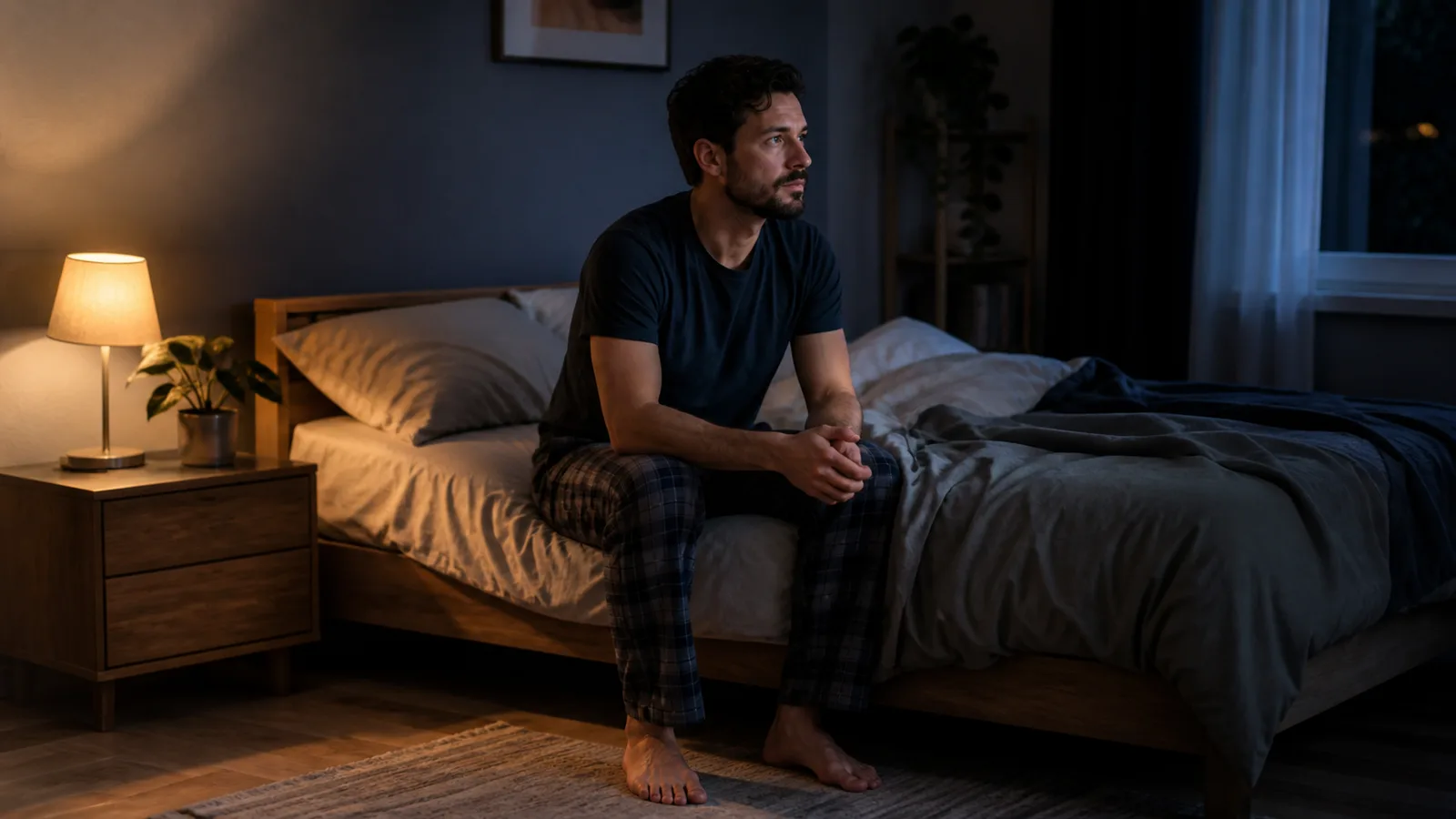
This guide focuses on using clear stop criteria so curiosity does not damage sleep or wellbeing. Astral projection reports sit close to sleep, memory, expectation and deeply personal ideas about consciousness. That makes precise language important. The experience can be taken seriously without pretending that every sensation proves the same explanation.
The practical aim is to identify what can be observed, choose one response and compare similar attempts. You do not need ritual, fear or forced belief. You need normal sleep, a clear question and enough patience to avoid changing several variables at once.
When sleep deprived
Fragmenting inadequate sleep can impair mood, attention and safety. This matters because the border between waking and sleep is easy to disturb. A small change in attention, breathing, posture or expectation can alter what happens next, so the first task is recognition rather than force.
Skip alarms and prioritise recovery sleep. Keep the action brief and comfortable. If it increases tension or makes you fully alert, stop and return to ordinary rest. The point is to work with the state that is present, not to manufacture a dramatic event.
Record the cue, the response and the last thing remembered. Write observation before interpretation, and include uncertainty instead of filling gaps. That record turns a vague impression into information you can use.
When fear is increasing
Practice should not create dread around bedtime. This matters because the border between waking and sleep is easy to disturb. A small change in attention, breathing, posture or expectation can alter what happens next, so the first task is recognition rather than force.
Pause until ordinary sleep feels safe again. Keep the action brief and comfortable. If it increases tension or makes you fully alert, stop and return to ordinary rest. The point is to work with the state that is present, not to manufacture a dramatic event.
Compare this with another attempt made under similar conditions. Write observation before interpretation, and include uncertainty instead of filling gaps. That record turns a vague impression into information you can use.
When reality feels unstable
Persistent dissociation or daytime hallucination-like experiences deserve care. This matters because the border between waking and sleep is easy to disturb. A small change in attention, breathing, posture or expectation can alter what happens next, so the first task is recognition rather than force.
Stop induction and speak with a qualified professional. Keep the action brief and comfortable. If it increases tension or makes you fully alert, stop and return to ordinary rest. The point is to work with the state that is present, not to manufacture a dramatic event.
Record the cue, the response and the last thing remembered. Write observation before interpretation, and include uncertainty instead of filling gaps. That record turns a vague impression into information you can use.
During illness or medicine changes
Illness and medicines can alter sleep and perception. This matters because the border between waking and sleep is easy to disturb. A small change in attention, breathing, posture or expectation can alter what happens next, so the first task is recognition rather than force.
Follow clinical advice and do not treat symptoms as practice material. Keep the action brief and comfortable. If it increases tension or makes you fully alert, stop and return to ordinary rest. The point is to work with the state that is present, not to manufacture a dramatic event.
Compare this with another attempt made under similar conditions. Write observation before interpretation, and include uncertainty instead of filling gaps. That record turns a vague impression into information you can use.
Before important responsibilities
Interrupted sleep is a poor trade before driving or childcare. This matters because the border between waking and sleep is easy to disturb. A small change in attention, breathing, posture or expectation can alter what happens next, so the first task is recognition rather than force.
Practise only when the next day allows normal rest. Keep the action brief and comfortable. If it increases tension or makes you fully alert, stop and return to ordinary rest. The point is to work with the state that is present, not to manufacture a dramatic event.
Record the cue, the response and the last thing remembered. Write observation before interpretation, and include uncertainty instead of filling gaps. That record turns a vague impression into information you can use.
Set stop criteria
A rule decided in advance is easier to follow. This matters because the border between waking and sleep is easy to disturb. A small change in attention, breathing, posture or expectation can alter what happens next, so the first task is recognition rather than force.
Write conditions that mean stop and seek help. Keep the action brief and comfortable. If it increases tension or makes you fully alert, stop and return to ordinary rest. The point is to work with the state that is present, not to manufacture a dramatic event.
Compare this with another attempt made under similar conditions. Write observation before interpretation, and include uncertainty instead of filling gaps. That record turns a vague impression into information you can use.
A practical checklist
Protect normal sleep and skip the attempt when overtired or unwell.
Choose one method, cue or question before settling down.
Keep breathing natural and avoid repeated physical checks.
End the session if it causes pain, panic or continuing distress.
Record timing, observations and interpretation on separate lines.
Change one variable only after two comparable attempts.
How to evaluate what happened
Success is not limited to a complete remembered separation. Recognising sleep onset, remaining calm during an unfamiliar sensation, recalling a false awakening or learning that a practice window makes you too sleepy are all useful results. They narrow the next experiment and reduce random method switching.
A convincing experience is evidence that the experience occurred. Claims about its cause or about accurate perception beyond the body need additional support. This distinction protects both scientific curiosity and spiritual openness. It prevents ordinary sleep events from being exaggerated while leaving genuinely unusual observations available for careful investigation.
If practice begins to reduce sleep, increase daytime anxiety or make reality testing difficult, pause it. Persistent sleepiness, hallucination-like experiences while fully awake or significant distress are reasons to speak with a qualified healthcare professional. Interest in consciousness should never be used to explain away a health problem.
Related guides and definitions
Frequently asked questions
What is the best way to begin?
Begin with one clearly defined observation or change. Keep the rest of the conditions stable so the result is easier to interpret.
How many attempts should I compare?
Use at least two comparable attempts before changing the method. Sleep, stress and expectation can strongly affect a single night.
Does this prove a spiritual explanation?
No single technique or sensation proves what consciousness ultimately is. Record the experience accurately, then keep interpretation and evidence separate.
Related guides

Morning vs Bedtime Astral Projection Practice
Compare morning and bedtime practice by sleep pressure, alertness, REM opportunity, recall and convenience.

How to End an Astral Projection Calmly
Learn how to end an astral projection, return attention to the body, manage fear and preserve recall.

How to Stay Calm When Astral Projection Begins
Manage fear and excitement during astral projection without suppressing the transition or forcing an exit.

Dream Recall Training for Astral Projection
Improve dream and transition recall using stillness, backward reconstruction, intention and a simple morning routine.