How to astral project: a practical, grounded guide
A no-theatre method for reaching the border of sleep, recognising the transition and making a calm exit attempt.
Read the complete method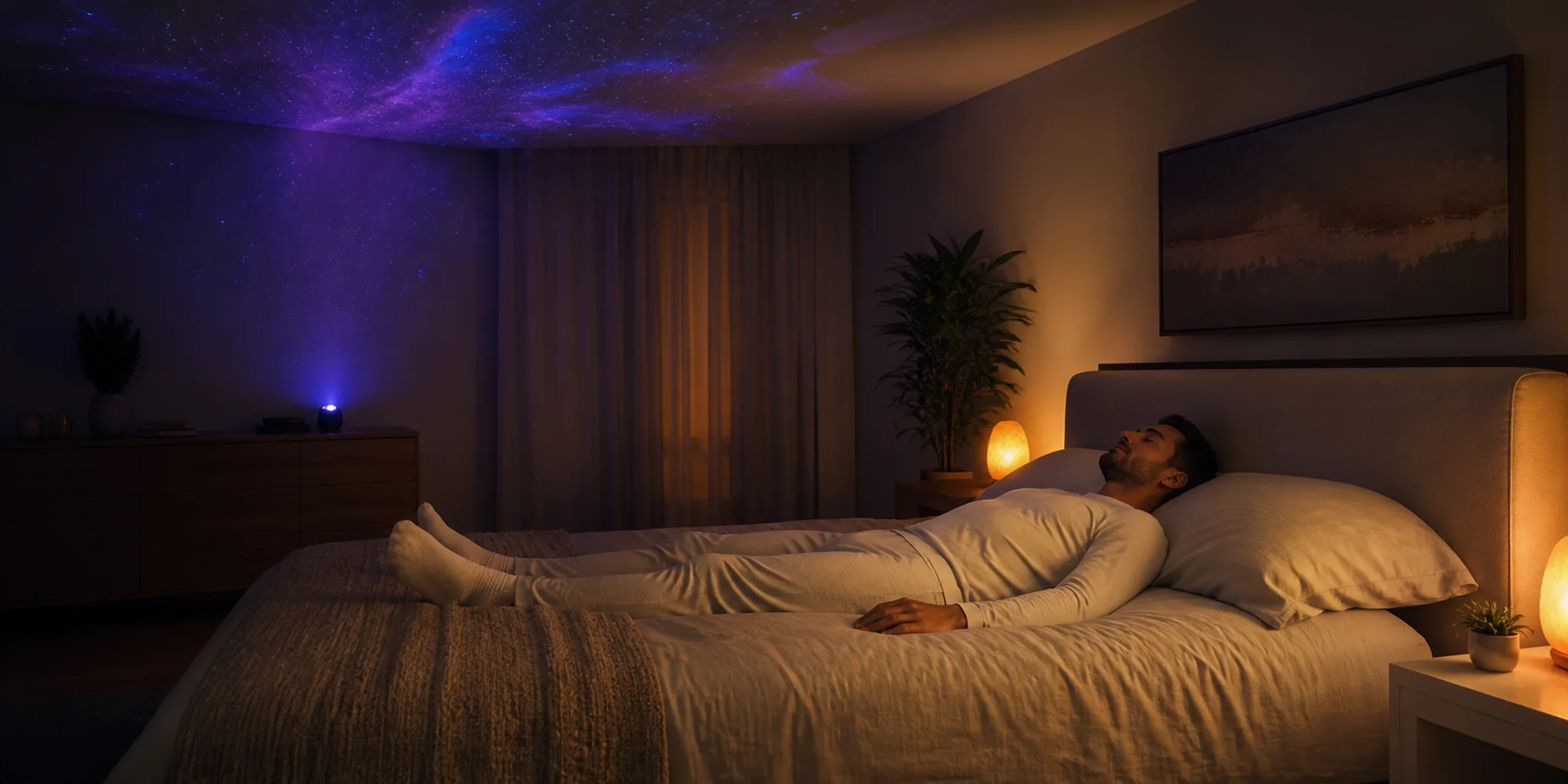
Recognise the natural process. Remember the experience.
I believe astral projection is a natural part of sleep that most people simply do not remember. Learn what to watch for, how to stop getting in your own way and how to return with a clear memory of the experience.
I believe this transition happens every night. Most of us cross it without recognising it, then wake with no memory of what happened. The practice begins by noticing the change without interrupting it.
No chanting, ritual or borrowed certainty. Learn the signs, avoid the common interruptions and practise remembering what follows.
A no-theatre method for reaching the border of sleep, recognising the transition and making a calm exit attempt.
Read the complete methodHaving an unusual experience is one thing. Understanding what happened is another. Begin with the question that brought you here.