There are two different questions
The first is whether people genuinely have experiences they identify as astral projection. They clearly do. The second is whether awareness literally operates beyond the body during those experiences. That claim is much harder to establish.
What science can currently measure
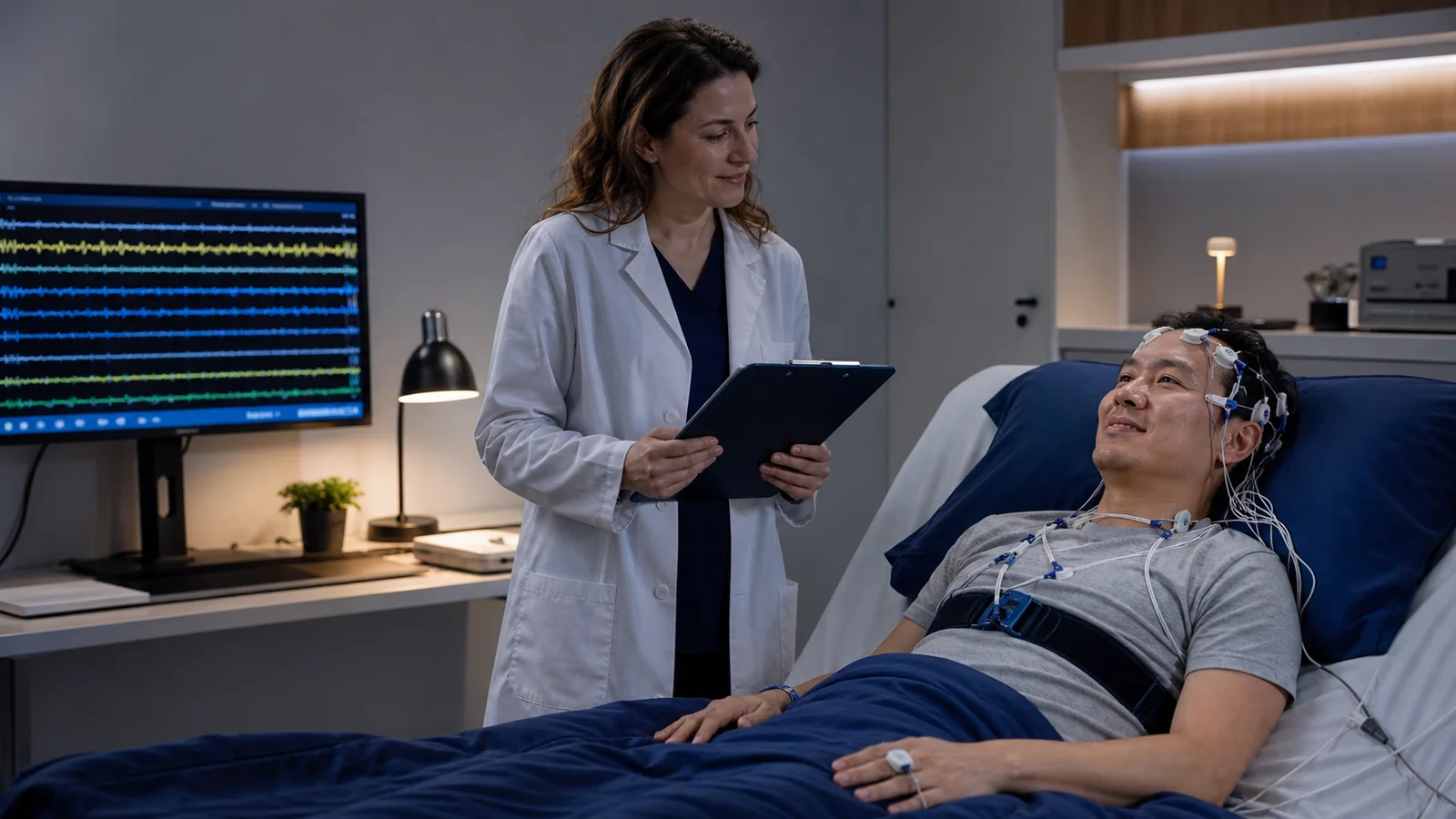
Researchers can measure sleep stage, physiology, brain activity, recall and performance on hidden-target tests. Those methods can constrain explanations, but they do not provide a direct meter for consciousness itself.
Laboratory findings that associate an experience with brain activity do not automatically prove that the brain wholly produces it. They show correlation; interpretation requires a theory of consciousness.
Why first-hand testimony still matters
A useful test of a perception claim is the hidden-target experiment although any result still needs careful interpretation.
Testimony is not the same as controlled evidence, but repeated features across independent reports can identify useful questions. Dismissing all reports because they are subjective would discard the phenomenon we are trying to understand.
The honest position
My position is that astral projection is a genuine experience and may reveal something important about consciousness. I do not think the evidence currently justifies pretending that every metaphysical claim has been proved.
Two questions are hidden in the word real
People genuinely report experiences in which awareness seems to leave the body. Those reports occur across cultures, sleep research and neurological case literature. The harder question is whether consciousness literally separates from the body and accurately perceives an external reality from elsewhere.
A vivid, sincere experience is evidence that something happened to the person. It is not automatically evidence for the person's preferred explanation. Keeping those claims separate avoids dismissal and avoids claiming proof that the evidence cannot support.
What a fair test would need to show
The strongest test would involve information that cannot be seen from the physical position and was not known beforehand. Targets should be randomly selected, concealed, recorded in advance and judged blind. Enough attempts and publication of negative results matter because anecdotes can arise through chance, memory and unnoticed information.
A failed target test does not make every OBE meaningless. It means that attempt did not demonstrate perception beyond the body. A successful result should be independently replicated before it is treated as proof.
What neuroscience explains and what remains open
The brain combines vision, touch, balance and internal signals to create self-location. Research involving the temporoparietal junction and multisensory conflict shows that this location can shift. Sleep transitions add dream imagery, reduced physical input and REM muscle inhibition.
Those mechanisms provide a serious explanation for major features of OBEs, but a neural correlate does not solve consciousness. The experience is real. Reliable travel of consciousness beyond the body remains unproven and unresolved.
Why testimony matters without being proof
Repeated first-hand reports reveal which features deserve explanation. People describe altered self-location, seeing the body from elsewhere, movement without muscles and a powerful sense of clarity. Similarity across accounts supports the existence of a recognisable class of experience, even if it does not identify one cause.
The limitation is that memory changes during recall and expectation shapes ambiguous states. People also adopt language from books and communities. Good case reports are detailed, recorded early and honest about uncertainty. They are starting points for research rather than substitutes for controlled evidence.
How to stay open without becoming vague
Saying that a question is unresolved should not mean accepting every claim. Ask what was observed, what was inferred, what ordinary explanations remain and what result would change your mind. A spiritual hypothesis becomes more credible when it risks a clear test rather than explaining every possible outcome.
The same discipline applies to scepticism. Producing an OBE-like state through multisensory conflict shows that the brain can generate altered self-location. It does not logically prove that every spontaneous case has been fully explained. Good uncertainty has boundaries, evidence and a plan for learning more.
Different claims need different levels of evidence
First-person reports establish that people experience convincing changes in self-location, movement and perception. Physiological measurements can show which sleep or brain states accompany some events. Neither alone demonstrates that accurate information travelled from a distant location. That stronger claim needs controlled targets, blinding, independent scoring and successful replication.
This hierarchy prevents two common errors. A neurological correlate does not make the experience meaningless, and a vivid personal experience does not automatically validate every metaphysical theory. Evidence should be matched to the exact claim being made.
What better evidence would look like
A convincing programme would recruit people who can produce the state repeatedly, confirm the timing with appropriate sleep and physiological measures, and present targets selected after the participant is unable to obtain normal information. Reports would be locked before judging, all attempts would be published, and independent teams would repeat the protocol.
No single experiment would answer every question about consciousness. Consistent results above chance would, however, create a serious anomaly for conventional explanations. Until then, it is reasonable to regard the experience as real while describing its ultimate meaning as unresolved.
What the evidence can support so far
Evidence is strongest for the existence of the experience itself. Reports occur across cultures and contexts, and laboratory work on bodily self-consciousness shows that perspective and perceived location can be altered. Sleep research also gives a plausible account of why paralysis, vivid imagery and waking awareness can overlap. These findings make the phenomenon investigable without reducing every report to imagination or accepting every spiritual claim.
Evidence is much weaker for repeatable perception of hidden or distant targets. Individual cases can be striking, but anecdotes are vulnerable to forgotten misses, information leakage and flexible matching after the answer is known. Small studies with unusual results need independent replication. The gap between compelling testimony and reproducible information transfer is the central scientific problem, not a reason to pretend the subject has already been settled in either direction.
The standard I use for my own experiences
I treat the immediate experience as data about what I perceived, felt and intended. I do not treat my confidence as a measurement of what caused it. If a detail could be checked, I write it before checking. If an interpretation arrived later, I label it as later. That discipline does not make a private record into a laboratory result, but it makes memory less vulnerable to unconscious editing.
The strongest personal evidence would be a repeated pattern of specific correct information obtained under conditions that remove ordinary access. The strongest scientific evidence would reproduce that pattern across people and independent teams. Until that happens, my position remains open but not empty: the experience is genuine, the conventional explanations are relevant, and the possibility that consciousness is more than the body deserves careful tests rather than slogans.
Frequently asked questions
Has science proved astral projection?
Science recognises OBEs as real reported phenomena, but has not established reliable external perception beyond the body.
Does a brain explanation make it fake?
No. A mechanism can explain features without making an experience insincere or unimportant.
What evidence would be convincing?
Repeatable identification of random hidden targets under blinded conditions would be much stronger than anecdotes.
Related guides
What is astral projection?
A precise definition of astral projection, how it differs from dreams and sleep paralysis, and why explanations remain contested.

Astral projection vs out-of-body experience
How the terms overlap, why some researchers prefer OBE and when the distinction actually helps.
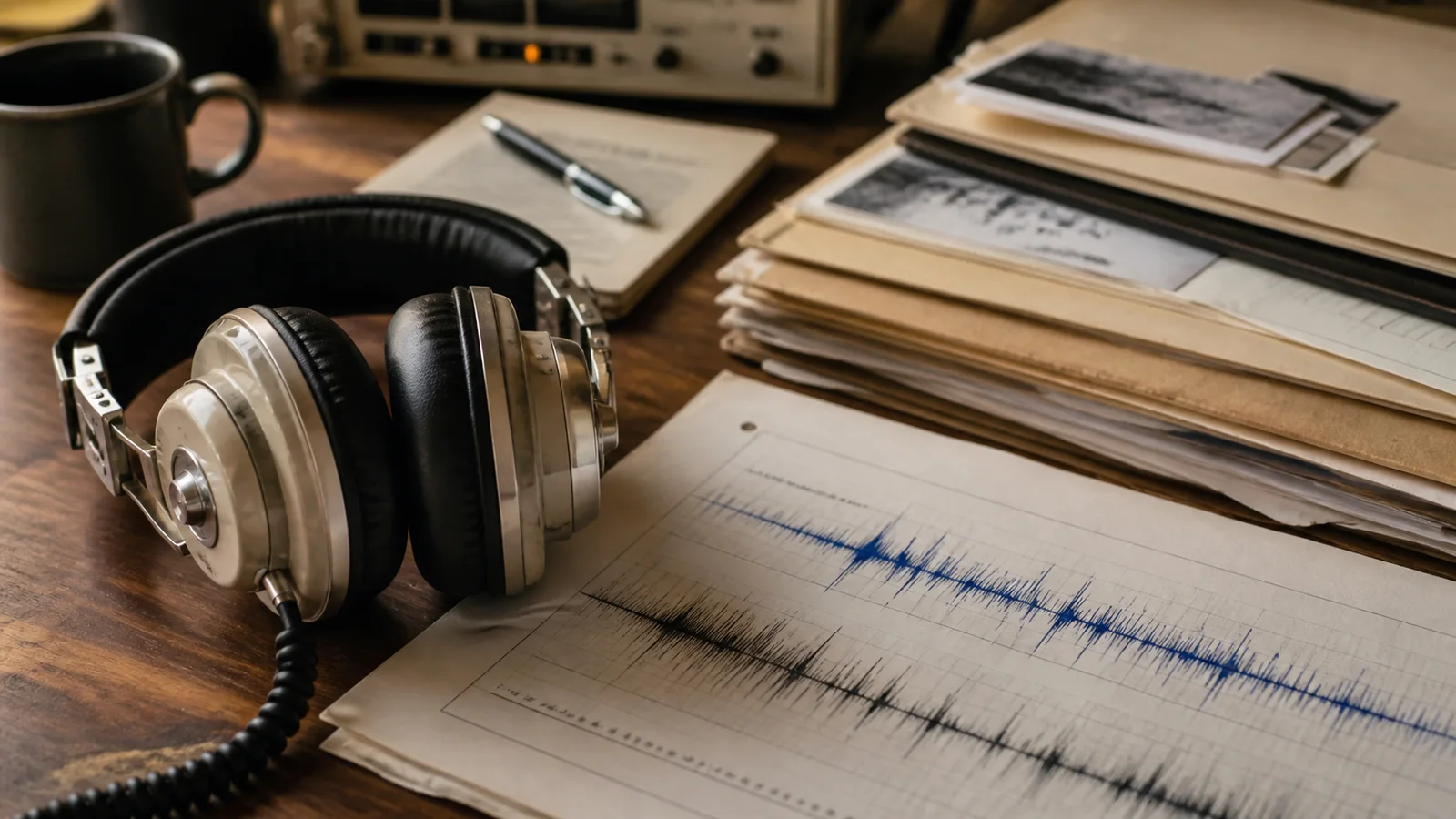
The CIA Gateway Process: what the document actually says
A sober reading of the famous Gateway Process document, its origins, its claims and why declassification is not scientific validation.
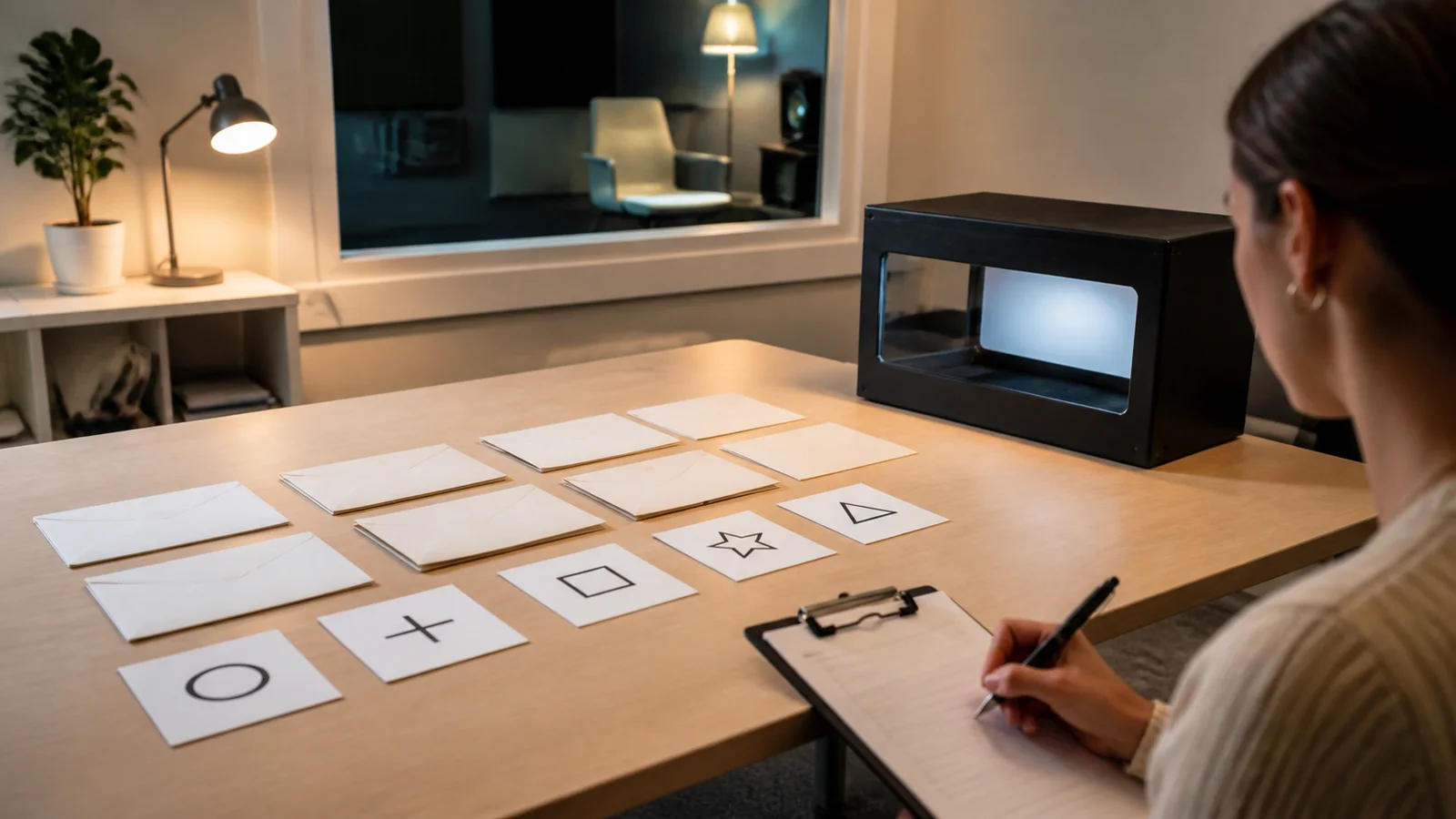
Hidden-target experiments and astral projection
How hidden-target tests work, why casual attempts mislead and how to design a fairer personal or laboratory experiment.