
A working definition
Astral projection is the reported experience of awareness or a sense of self existing outside the physical body. People often describe viewing their room from another position, moving without the body or entering an environment that feels separate from an ordinary dream.
The term describes the experience. It does not, by itself, prove what causes the experience or where awareness goes.
Astral projection and astral travel
Astral projection and astral travel are usually used interchangeably. Some traditions reserve astral travel for movement through non-physical environments and out-of-body experience for apparently leaving the body in a familiar physical setting.
How it differs from ordinary dreaming
Experiencers commonly report unusually clear awareness, deliberate movement and a strong sense of reality. Those qualities can also occur in lucid dreams, so vividness alone cannot settle the question.
The boundary may be less tidy than the labels suggest. Sleep paralysis, lucid dreaming and out-of-body experiences can share the same transition states.
What remains unknown
Current science can investigate sleep stages, brain activity and reports, but it has not established that consciousness literally leaves the body. It has also not fully explained why these experiences can feel coherent, repeatable and transformative.
A practical definition
Astral projection is the deliberate attempt to experience awareness from a position that feels separate from the physical body. Out-of-body experience, or OBE, is the broader neutral term and includes spontaneous episodes. The label describes what the experience is like. It does not, by itself, prove how it is produced.
People report seeing the room from elsewhere, moving without muscular effort or entering an environment that feels independent. Vision is not required. An episode may begin as motion, pressure, sound or a strong change in the apparent location of the self.
Lucid dreaming, sleep paralysis and nearby states
Because these experiences can share features, compare astral projection with lucid dreaming before deciding which label best fits a report.
In a lucid dream you recognise that you are dreaming. In an OBE the defining feature is a shift in self-location. The states can overlap and one can develop into the other. Recording the transition, setting and degree of control is more useful than forcing every experience into a perfect category.
Sleep paralysis and hypnagogic imagery can explain buzzing, pressure, a sensed presence and temporary inability to move. Understanding that overlap does not make an experience false. It gives you a grounded way to interpret its components.
Serious ways to interpret the experience
A spiritual interpretation holds that consciousness can function beyond the physical body. A neurological interpretation focuses on how the brain constructs embodiment from vision, touch, balance and internal sensation. A third position accepts the contribution of brain and sleep processes while remaining open about what consciousness ultimately is.
You do not need to settle that debate before practising. Start with a workable sleep schedule, a comfortable position and one simple imagined movement. Keep notes that separate what you directly experienced from what you inferred afterwards.
The common shape of a transition
Deliberate attempts usually begin with physical relaxation and a narrowing of attention. Thoughts become less orderly, the room feels more distant and the apparent outline of the body can change. A practitioner may then feel movement, arrive in a scene or simply realise that the point of view is no longer where the physical head should be.
That sequence is a useful orientation, not a rule. Some experiences are dark and mostly tactile. Others are immediately visual. Some last seconds, while a stable episode can feel much longer. The quality of the memory afterwards also varies, which is why notes made immediately on waking are valuable.
Meaning without premature certainty
An OBE can feel more real than an ordinary dream and may carry lasting spiritual importance. Intensity is part of the evidence about the experience, but intensity cannot decide its external cause. Dreams, medical events and ordinary perception can all be compelling while arising through very different mechanisms.
A mature approach keeps both facts in view. The person had a serious experience, and the explanation remains open to investigation. That lets practitioners discuss spirituality without demanding agreement and lets researchers examine mechanisms without treating the subject as foolish.
How to evaluate an astral projection report
A useful report begins with conditions: when the event occurred, whether the person was falling asleep or waking, which sensations appeared first and how memory was recorded. Details that were written immediately carry more weight than a story reconstructed after discussion, reading or repeated retelling. The quality of the observation matters independently of the explanation attached to it.
Look for a clear separation between what was directly experienced and what the person concluded. Seeing the room from above is an observation. Saying that a permanent astral body travelled through a particular plane is an interpretation. The interpretation may ultimately be correct, but it needs evidence beyond the intensity and sincerity of the experience.
Why the question is worth taking seriously
Out-of-body experiences sit at the intersection of sleep, body perception, memory and the nature of consciousness. Even a wholly brain-based account would need to explain how the ordinary sense of being located inside a body can change so completely. A non-local account would have even larger implications and would require unusually strong, repeatable evidence.
The productive position is neither automatic belief nor automatic dismissal. Define the event precisely, compare it with lucid dreaming and sleep paralysis, test information claims where possible, and remain explicit about uncertainty. That approach gives personal experience respect without insulating it from investigation.
The sequence people most often describe
A deliberate experience commonly begins while the person is deeply relaxed but still aware. Normal body sensation becomes less convincing, sounds or vibrations may appear, and the perceived centre of awareness starts to move. The person may then feel as if they have rolled, floated or stood up without using the physical muscles. A room-like environment can form immediately, gradually or not at all.
Spontaneous experiences can skip most of that sequence. Someone may become aware during sleep paralysis, wake inside a convincing copy of the bedroom or suddenly perceive the room from a position above the bed. These different beginnings may share a mechanism, represent several related states or include more than one phenomenon under the same label. Good reports preserve those differences instead of smoothing them into a standard story.
Three broad explanations and what each must explain
A sleep-based model treats projection as a lucid or dissociated experience produced during transitions involving REM sleep, body mapping and dream imagery. It explains the timing and overlap with paralysis well, but still has to account for the exceptional realism, stable self-awareness and occasional claims of accurate distant perception. A neurological model focuses more directly on how the brain constructs bodily location and perspective.
A non-local model proposes that consciousness can operate beyond the body and that the brain ordinarily limits or organises a wider awareness. It takes the experiencer's sense of separation seriously, but it must produce reliable information that cannot be explained by guessing, prior knowledge or memory. No model earns a free pass. The purpose of investigation is to identify which account best predicts the details rather than choosing the one that feels most comfortable.
Frequently asked questions
Is astral projection an OBE?
Astral projection usually means a deliberate attempt, while OBE is the broader term for feeling located outside the physical body.
Is it just lucid dreaming?
They overlap, but lucid dreaming means knowing you are dreaming, while an OBE is defined by a shift in self-location.
Do I need to believe in a soul?
No. You can investigate the experience without deciding its cause in advance.
Related guides

Astral projection vs out-of-body experience
How the terms overlap, why some researchers prefer OBE and when the distinction actually helps.
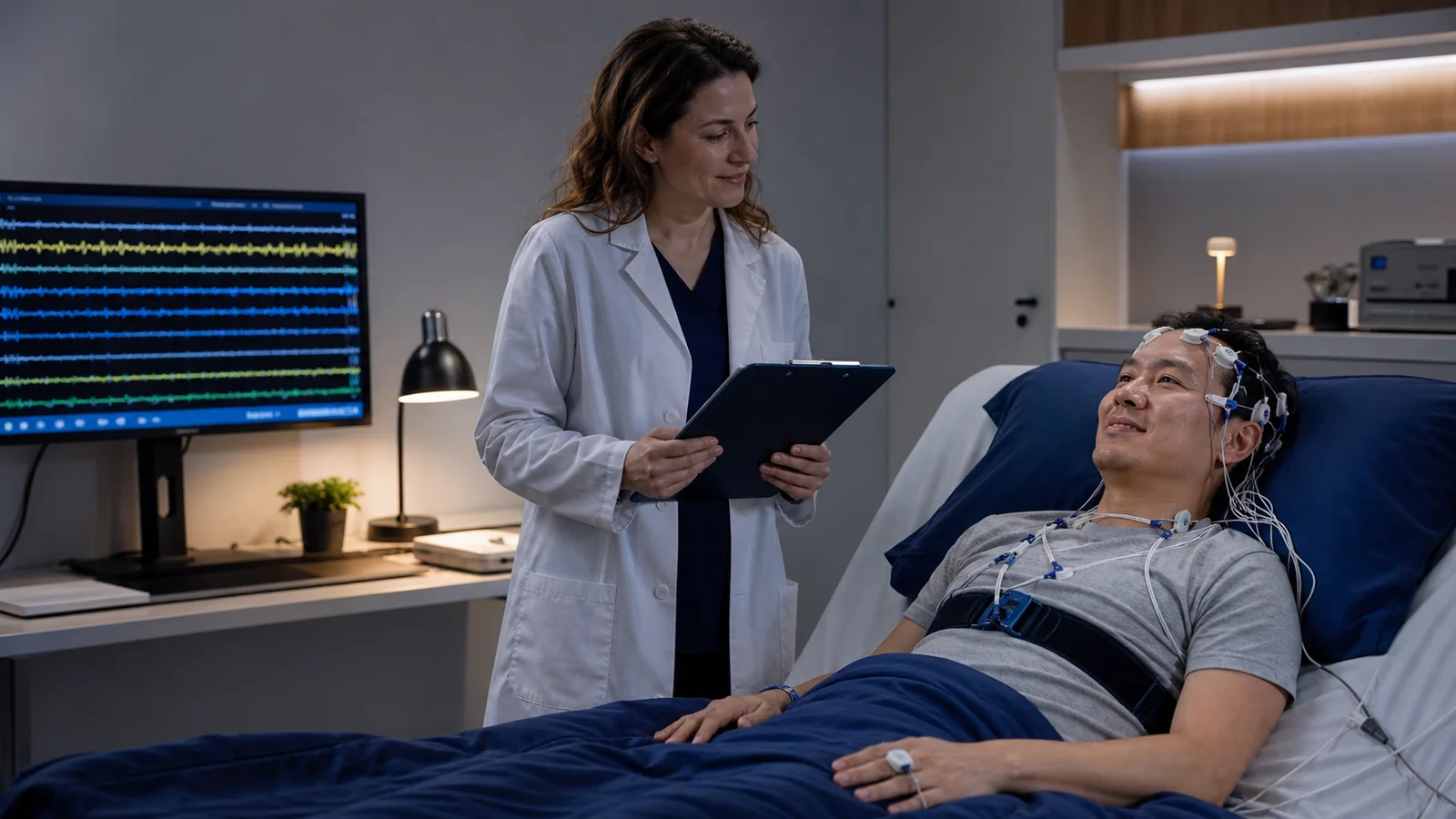
Is astral projection real?
The experience is real. The harder question is what it represents, and how we could test competing explanations fairly.

The CIA Gateway Process: what the document actually says
A sober reading of the famous Gateway Process document, its origins, its claims and why declassification is not scientific validation.

Astral projection for beginners: what to learn first
A complete beginner route from better sleep recall to a first calm exit attempt, with practical expectations, a seven-day routine and clear safety limits.