
It can take one attempt, several months or longer
Some people report a spontaneous experience before they know the term astral projection. Others practise for weeks or months before reaching a stable transition. There is no reliable average that can predict an individual's timeframe.
Anyone promising a guaranteed result in a fixed number of days is selling certainty that the evidence does not support. A better goal is to improve the conditions and skills that make a conscious transition more likely.
Sleep timing and awareness matter more than willpower
Progress depends on sleep pattern, recall, anxiety, expectation, ability to relax and the timing of attempts. A person who practises at the wrong time may repeat the same unproductive hour without learning much.
Change timing before piling on techniques. An early-morning attempt after several hours of sleep usually offers a better balance of alert mind and sleepy body than an exhausted bedtime session.
Progress appears before a complete experience
Better dream recall, awareness during brief awakenings, altered body sensation, vibrations and calm sleep paralysis can all show that you are recognising the transition. None guarantees an exit, but together they provide useful feedback.
Treat these signs as observations rather than trophies. Trying to recreate one dramatic sensation can make practice tense. The underlying skill is remaining quietly aware while the state changes.
Two or three deliberate attempts can beat nightly effort
Focused practice on mornings when you can protect your sleep is usually more sustainable than setting an alarm every night. Sleep debt reduces attention, recall and emotional regulation, all of which are useful to the practice.
Use ordinary nights to improve dream recall and intention. Use selected mornings for a full wake-back-to-bed attempt. This keeps the subject integrated into life instead of allowing it to dominate sleep.
Review ten comparable attempts
Record when you slept, when you woke, how long you stayed awake, the method used and what happened. After ten attempts, look for patterns. Avoid rewriting the method after every disappointing night.
If nothing changes, adjust one variable such as the wake time or wake period. If transition sensations appear but end in excitement, keep the setup and work on a calmer response.
A deadline is the wrong reason to continue
Pause when practice damages sleep, increases anxiety or becomes an obsession. A break does not erase a skill. Returning rested often improves results more than pushing through frustration.
The value of the subject is not measured by how quickly you produce an experience. Curiosity, honest records and a healthy life provide a stronger foundation than a countdown.
Use skill milestones instead of a deadline
A useful first milestone is remembering dreams and brief awakenings most mornings. The next is returning to sleep while retaining a light intention. Then comes recognising a change in body awareness without reacting. A complete exit is more likely when these smaller abilities work together.
Milestones reveal where practice breaks down. Poor recall needs a different response from fear during vibrations, and both differ from becoming too alert after WBTB. A deadline hides those distinctions and turns every night into the same verdict.
What to do during a plateau
Take several nights of normal sleep, then review the log without practising. Choose the most promising timing window and one method. Return for three comparable attempts rather than searching for a new secret technique.
If the practice has become emotionally loaded, set a wider goal such as improving sleep awareness or dream recall. Removing the demand for a dramatic event often restores the relaxed attention the transition requires.
A realistic progression from beginner to repeatable practice
The first stage is recall: remembering dreams, awakenings and unusual sensations well enough to learn from them. The second is state recognition: noticing hypnagogic imagery, body-map changes or paralysis without becoming fully alert. The third is response: using a simple movement cue at the right moment. A complete experience can occur at any stage, but repeatability usually depends on developing all three.
Progress is rarely linear. Several vivid attempts may be followed by quiet weeks because sleep, stress and expectation change. This is why a calendar deadline is unhelpful. Track whether awareness lasts longer, fear reduces and timing becomes more predictable. Those are skills you can influence even when the final transition remains inconsistent. A reliable method emerges from patterns across attempts, not one exceptional night.
An eight-week practice plan without sleep deprivation
Instead of treating a calendar date as a promise, keep a practice journal so you can notice sleep, recall and technique changes over time.
For weeks one and two, record dreams and natural awakenings without setting alarms. In weeks three and four, add one or two early-morning attempts each week. In weeks five and six, keep the better timing window and test one exit method. In weeks seven and eight, repeat the same conditions and review the complete log. Protect normal sleep on all other nights.
At the end, decide from evidence rather than frustration. If transition signs have increased, continue the same structure. If nothing changed, alter one timing variable or focus on recall before resuming. If sleep or mood deteriorated, stop. Eight weeks is not a guarantee of projection; it is long enough to learn whether a routine is productive without allowing the practice to take over every night.
Why prior experience changes the timeframe
Someone who already remembers vivid dreams, recognises sleep paralysis or meditates without losing awareness may reach the relevant state quickly even if they are new to the term astral projection. Someone who falls asleep instantly and remembers nothing has different skills to build first. Comparing their number of days is meaningless. Compare the starting abilities, practice conditions and quality of recall before treating another person's timeframe as a standard.
Frequently asked questions
Can I astral project on my first try?
It is possible, particularly for people already familiar with lucid dreams or sleep paralysis, but it should not be expected or treated as a guarantee.
How often should I practise?
Two or three deliberate attempts each week is a sustainable starting point. Protect total sleep and use lighter recall practice on other nights.
Why have I made no progress after months?
Review timing, recall and whether you remain too alert or fall asleep instantly. Change one variable at a time, and pause if practice is creating stress or poor sleep.
Related guides

Astral projection for beginners: what to learn first
A complete beginner route from better sleep recall to a first calm exit attempt, with practical expectations, a seven-day routine and clear safety limits.

How to astral project: a practical, grounded guide
A no-theatre method for reaching the border of sleep, recognising the transition and making a calm exit attempt.
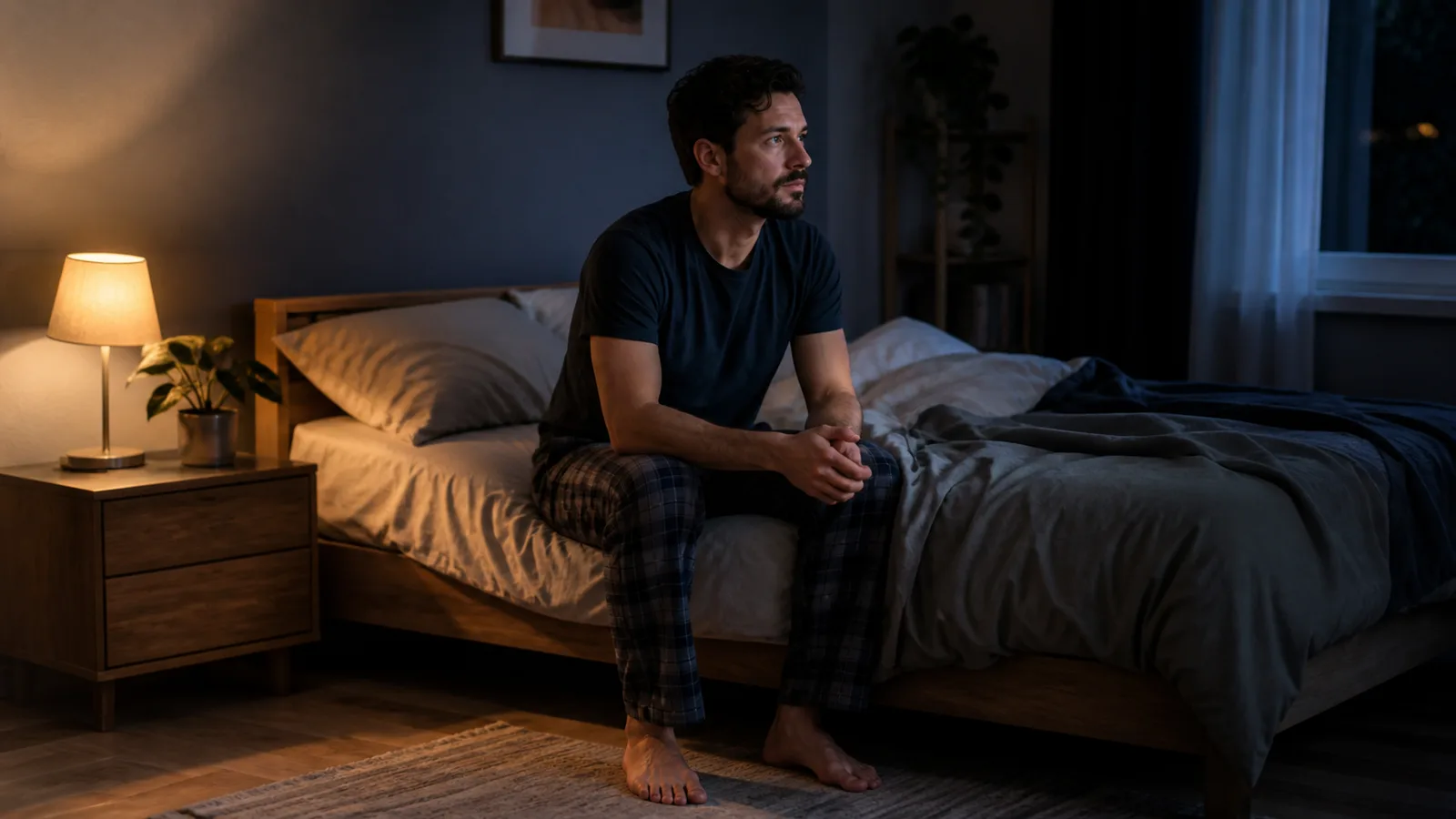
Is astral projection dangerous?
A calm risk assessment covering fear, disrupted sleep, mental health and the claims that deserve more scepticism.

The best time to practise astral projection
Why early morning usually beats bedtime, how naps can help and how to find a repeatable practice window without wrecking your sleep.